Costa Blanca in winter: what is open, what the weather does, and where to stay
Published October 6, 2026
costa-blancawinter-sunlong-staysbenidormalicantespain
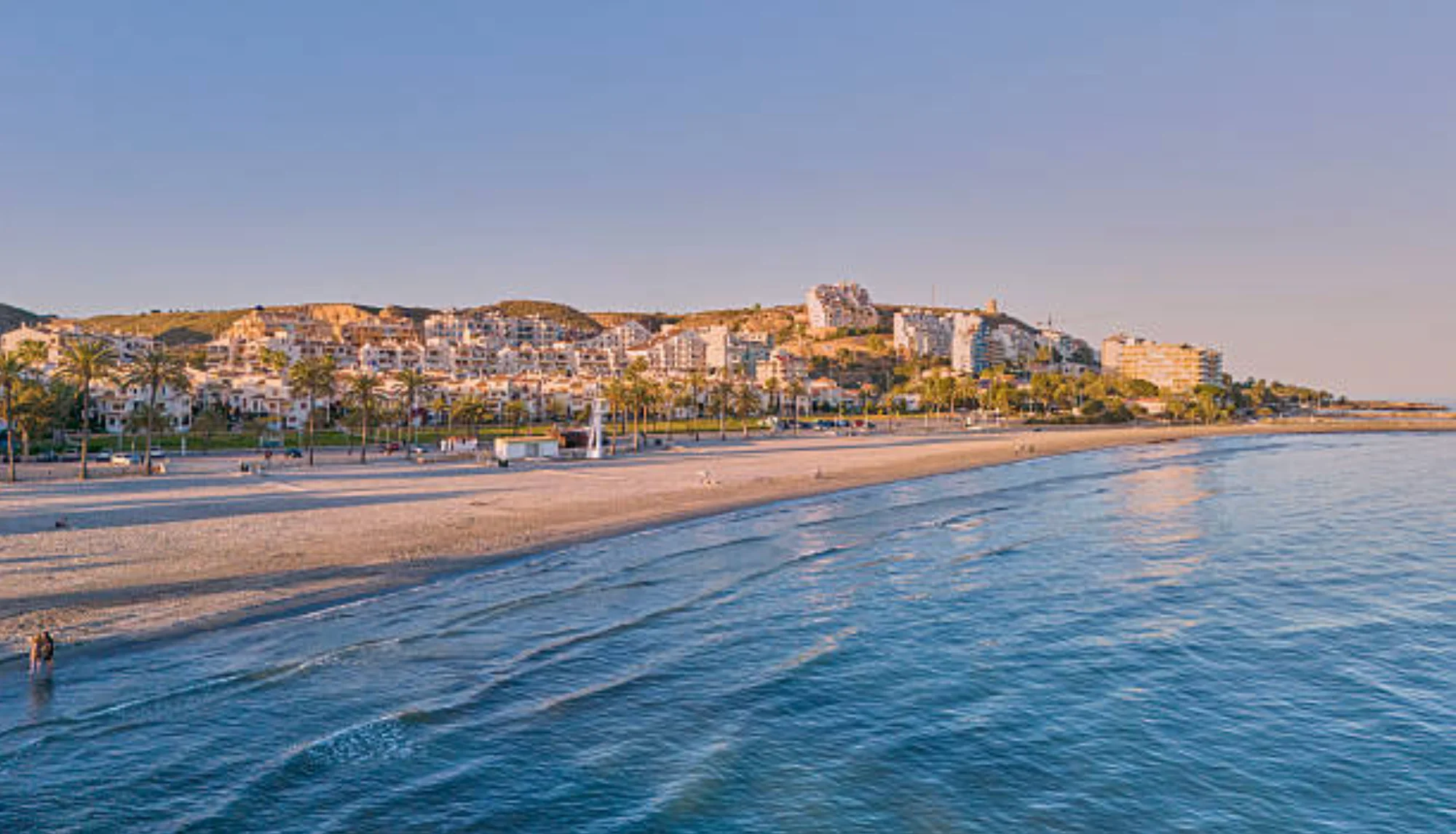
The Costa Blanca in winter is not the Canary Islands, and it is better to know that before you pack. Nobody is sunbathing in January. What you get instead is one of the mildest, sunniest winters on the European mainland: a coffee outside at eleven in the morning, a long walk on a promenade in a T-shirt, and evenings that need a jumper but never a coat you would wear at home. That is why so many northern Europeans spend the whole winter here, and why winter is a real season on this coast, not a closed one.
Here is what November to March actually looks like, what stays open, and how to choose where to stay.
What the weather does
On the coast between Alicante and Calpe, daytime highs sit around 16–18 °C from December to February. November and March are warmer, often 19–21 °C. Nights are the part people do not expect: on the coast they drop to around 6–9 °C, and a few kilometres inland — Finestrat, Polop, the Guadalest valley — they can go lower still, with the odd frosty morning in January.
Rain is less of a worry than you might think. Most of the year's rain on this coast falls in autumn, in short heavy storms that locals call the gota fría or DANA, usually between September and November. Midwinter is mostly dry and bright, with five or six hours of sunshine on a typical December day. The real trade-off is daylight: around the shortest day you get about nine and a half hours, and the sun sets before six. Plan the outdoor part of the day for late morning and early afternoon.
The sea is cold. It is still around 18–19 °C in early November, but from January to March it sits around 14–16 °C. Some people swim all year, and several towns hold a New Year's Day sea swim, but for most visitors winter is a season for walking on the beach, not swimming off it. If swimming matters to you, look for a heated pool.
The cold is inside, not outside
This is the single most useful thing to know. Coastal apartments here are built for the summer: tiled floors, thin windows and often no central heating. On a sunny day it can feel warmer on the terrace than in the living room. Before you book a winter stay, check three things:
- Heating. The best answer is air conditioning with a heat pump (bomba de calor) in the living room and bedrooms. A single portable heater is not enough for a month.
- Orientation. A south- or west-facing terrace gets the winter sun; a north-facing flat stays cold all day.
- Extras for long stays. A washing machine, a proper kitchen, good Wi-Fi and enough blankets. If you are staying a month, ask the host directly.
What stays open
Benidorm runs all year. Winter is its own high season for retired northern Europeans and Spanish seniors' holiday groups, so hotels, restaurants, bars and the seafront stay busy. Alicante is a working city, so nothing really closes. Altea, Calpe and Albir are quieter but very much alive: supermarkets, cafés and most restaurants stay open, although some beach bars close for the season and some family restaurants take their holiday in January.
What does close: the water parks, which shut for the winter, and some theme parks, which run reduced calendars — check the dates before you plan a day around one. Beach lifeguards and most beach services stop after the summer. The TRAM d'Alacant coastal line runs all year, so you can still travel between Alicante, Benidorm, Altea and Calpe without a car.
What winter here is good for
- Walking. The Serra Gelada cliffs between Benidorm and Albir, the Bernia ridge, the Puig Campana above Finestrat and the coast path around the Peñón d'Ifach in Calpe are all far more pleasant at 17 °C than at 32 °C.
- Cycling. The mountain roads behind Calpe, Altea and Dénia are where many professional cycling teams hold their winter training camps. You will share the climbs with them in December and January.
- Almond blossom. From late January into February, the inland valleys — the Vall de Pop around Jalón and the Guadalest valley — turn white and pink. It is one of the best day trips of the year.
- Christmas and Three Kings. Lights, nativity scenes and markets in December, and the Cabalgata de Reyes parades on the evening of 5 January. Try turrón, the local almond nougat from Jijona.
- Slow living. A terrace you can use most days, a menú del día lunch, and a long walk before sunset. For many winter guests, this is the whole point.
Where to stay in winter
Benidorm is the easiest choice if you want everything open and everything walkable: two long, flat promenades, shops and restaurants all winter, and a large community of long-stay guests. See our stays in Benidorm.
Alicante suits people who want city life — markets, museums, tapas bars and an urban beach — with the airport 20 minutes away. Our Alicante city guide covers the neighbourhoods.
Gran Alacant, on the hill above Santa Pola, is a quiet residential area close to the airport with a big year-round international community, beaches and dunes nearby, and supermarkets within easy reach. It suits long, calm stays. See our stays in Gran Alacant.
Altea, Albir and Calpe are quieter and prettier, with good walking from the door. Albir sits in the shelter of the Serra Gelada, which helps on windy days.
Inland villas around Finestrat and Polop have the best views and the best hiking, but nights are colder and a car is essential. Check the heating twice.
Booking a winter stay
Outside Christmas and New Year, winter is the Costa Blanca's low season, so prices are lower than in summer and many hosts offer weekly or monthly rates. For a stay of a month or more, it is worth asking the host before you book. Christmas and New Year book up earlier, so plan those weeks first.
Coming from the UK for more than a few weeks? The Schengen 90-in-180-day rule applies — read the 90/180-day rule, explained before you plan the dates.
For the bigger picture of the region, see the Costa Blanca travel guide. When you are ready, browse all our stays in the province of Alicante or the Alicante and Costa Blanca collection — booking direct, with no booking-site service fee added to the total.
Frequently asked questions
- Is the Costa Blanca warm in winter?
- Mild rather than warm. Daytime highs on the coast are usually 16–18 °C from December to February and around 19–21 °C in November and March, with plenty of sunshine. Nights are cool, around 6–9 °C on the coast and colder inland, so bring layers.
- Can you swim in the sea on the Costa Blanca in winter?
- Only if you like cold water. The sea is still around 18–19 °C in early November, but from January to March it is around 14–16 °C. Most winter visitors walk on the beach rather than swim, and a heated pool is the better option if you want to swim every day.
- Is Benidorm open in winter?
- Yes. Benidorm runs all year, and winter is a busy season there for long-stay guests from northern Europe and Spanish seniors' holiday groups. Hotels, restaurants, bars and shops stay open. Water parks close for the winter, and some theme parks run reduced calendars.
- Which Costa Blanca town is best for a winter stay?
- Benidorm if you want everything open and walkable, Alicante for city life, Gran Alacant for a quiet residential stay near the airport, and Altea, Albir or Calpe for a calmer, prettier base with good walking. Inland villages have great views but colder nights.
- Do holiday apartments on the Costa Blanca have heating?
- Not always. Many coastal apartments are built for summer and have no central heating. For a winter stay, look for air conditioning with a heat pump in the main rooms and a south- or west-facing terrace, and ask the host if you are not sure.
- When is the almond blossom on the Costa Blanca?
- Usually from late January into February, depending on the weather. The inland valleys behind the coast, such as the Vall de Pop around Jalón and the Guadalest valley, are the best places to see it, and both are easy day trips by car.